A transparent breakdown of three ways to invest $150,000 in US property: a whole house, a local flat, or fractions of five homes — with every cost, including ours, fully revealed.

By Ruben Pueyo | Bricksave
July 21, 2026
News > Blog Article > The honest maths of $150,000
A transparent breakdown of three ways to invest $150,000 in US property: a whole house, a local flat, or fractions of five homes — with every cost, including ours, fully revealed.
Most comparisons of direct ownership versus fractional investing are written by whoever benefits from the answer. This one publishes every cost — including ours.
Platforms lean on convenience. Estate agents lean on control. Both tend to go quiet when the conversation turns to fees. This article does something different. We take the same $150,000 and run it through three routes: buying a whole rental house in Cleveland directly from abroad, buying a flat in your own city, and spreading it across five fractional property investments. We publish the full cost breakdown of a live Bricksave property below, down to our structuring fee. You can check our working. That is the point.
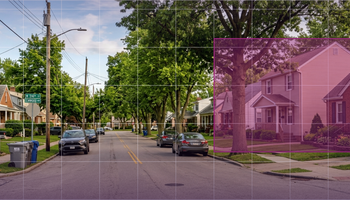
Cleveland is one of the strongest cash-flow rental markets in the United States. Median sale prices sit around $111,000–$140,000 and gross rental yields are among the highest of any major metro, at roughly 9.8–11% (Ocity, 2026; Norada Real Estate, March 2026) . On paper, a $140,000 house renting for $1,250 a month looks like a 10%+ return.
The paper is misleading. A non-resident buying directly pays a stack of costs that never appears in the listing. Before you own it, closing costs of roughly 2–3% plus the setup of a US entity and tax identification typically add $5,000–6,500. Then, every year: Cleveland property tax at a median effective rate of 2.29% — approximately $3,200 on a $140,000 property (Ownwell, 2026); landlord insurance around $1,300; remote property management at 8–10% of rent plus a leasing fee; maintenance of roughly 1% of property value; a vacancy allowance of 5–8%; and US tax filing for a non-resident, typically $600 or more annually.
A roof, a furnace, or a three-month void lands entirely on you.
There are also costs that arrive without warning. Most of Cleveland’s housing stock predates the 1978 ban on lead-based paint, and the city’s lead-safe certification programme means budgeting around $300 for inspection and $500–$5,000 for remediation on any pre-1978 property (Lead Safe Cleveland Coalition; SellToHomePros, April 2026). A roof, a furnace, or a three-month void lands entirely on you.
Run the full stack and the honest net return on a professionally managed, remotely owned Cleveland house is around 4.0–5.0% a year, plus whatever the market adds in appreciation — historically a steady 2–4% annually in Cleveland (Norada Real Estate, March 2026). And when you sell, US withholding tax (FIRPTA) applies to the proceeds of a foreign-owned property.
A good outcome, if everything goes to plan, might reach 6–9% a year. But you are unhedged against the surprises, you hold one property with one tenant in one city, and you are a landlord across an ocean and several time zones.
The familiar option. You know the neighbourhood, you can drive past the building, and there is no language barrier with the notary. The maths is less familiar. Gross residential yields across major Latin American capitals run at roughly 5.5–7% (Global Property Guide, 2025) , with net yields typically 1.5–2 percentage points lower once building fees, local taxes, maintenance, management and vacancy are deducted (Global Property Guide, Q4 2025; TheLatinvestor, January 2026) . Acquisition costs — transfer taxes, notary, agent and registration — commonly absorb around 7% of the purchase price on the way in.
So a $140,000 local flat plausibly nets 3.5–5.0% a year . But there are two deeper problems the yield figure does not capture.
The first is currency. Your rent arrives in local currency, and so does your capital value. A devaluation does not just dent your income — it can erase years of paper gains in dollar terms.
Diversification is not a luxury for investors in volatile economies; it is the entire game.
The second is concentration. Your salary, your pension, your home and now your investment property all depend on the same economy. If it stumbles, everything stumbles together.
The same $150,000 can instead be spread across five fractional investments of $30,000 each. Because Bricksave's minimum investment is $1,000, the split is flexible — but five properties across different US cities is a reasonable, conservative structure.
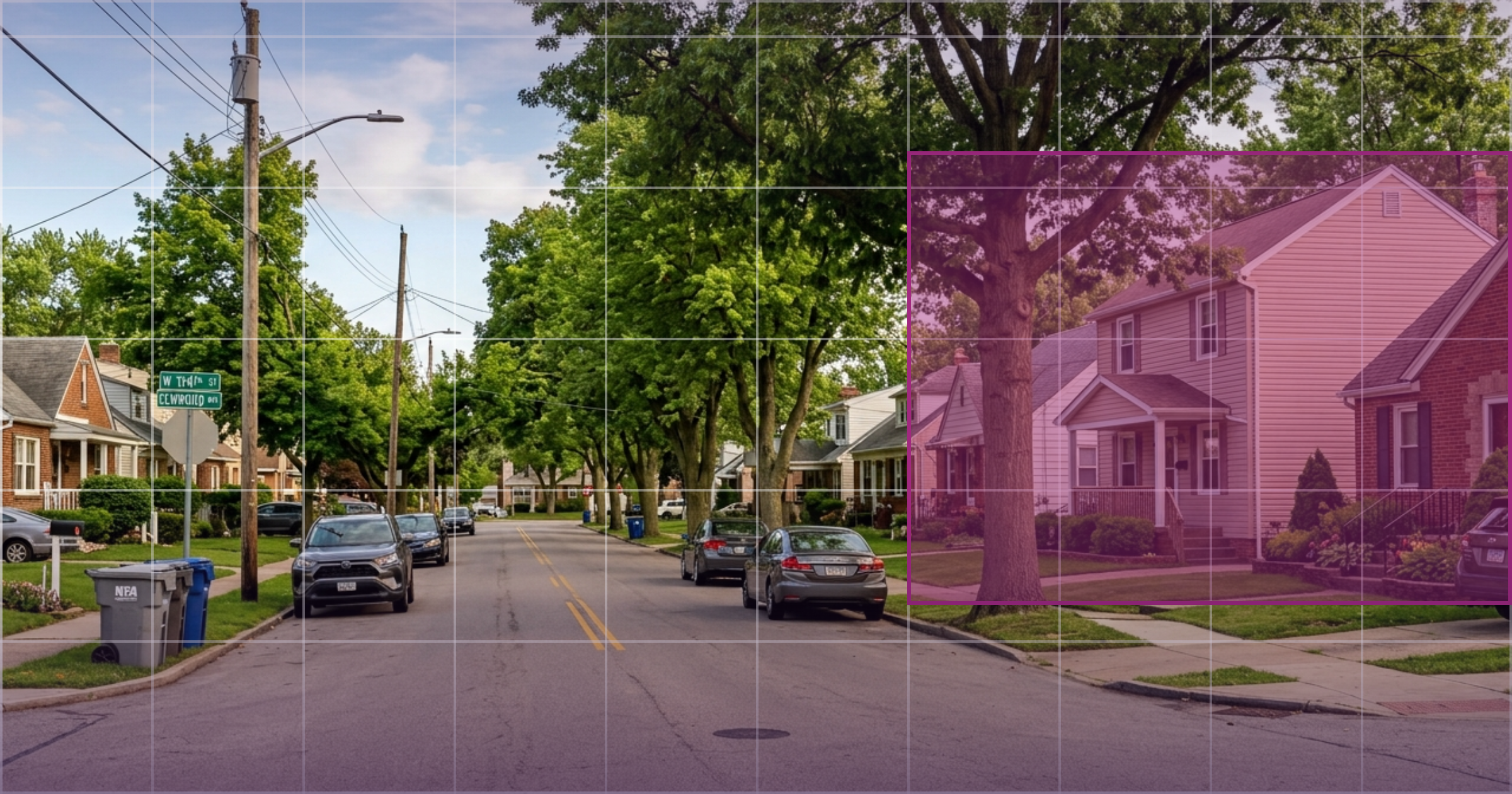
Rather than describe this route in the abstract, here is the complete cost structure of a live Bricksave property: S. Euclid, Cleveland, a refurbished single-family home with a fractional-ownership target of $195,200 (bricksave.com, accessed July 2026) .
| Item | Amount |
|---|---|
| Property purchase price | $160,000 |
| Closing costs | $3,800 |
| Refurbishment (capital expenditure) | $10,000 |
| Legal fees (SPV structure and local counsel) | $5,060 |
| Bricksave fees (structuring, transaction, onboarding, repairs insurance) | $12,864 |
| Sale reserve | $3,476 |
| Fractional ownership target | $195,200 |
Source: Bricksave property financials, S. Euclid, Cleveland, July 2026.
Every line above is inside the target. Once you invest, there is nothing further to pay — no calls for capital, no surprise remediation bills, no annual filing fees. The repairs insurance and reserves exist precisely to absorb the shocks that direct owners carry alone.
The property is projected to generate $18,900 a year in rent. Annual running costs — local management ($1,890), maintenance ($1,418), insurance ($1,367), real estate tax ($3,494) and global management ($976) — total $9,145. That leaves a net rental income of $9,755 a year, distributed to investors monthly in US dollars: a 5.00% annual rental return* on the target.
At the end of the four-year term, the property is projected to sell at $237,519 — appreciation of $42,319, or 5.42% annualised* , distributed at exit. The appreciation is not a market bet alone: the property was purchased at $160,000 and professionally refurbished, so part of the uplift is engineered at acquisition rather than hoped for later. Together: a total targeted return of 10.42% a year* over the term.
Not every property targets the same figure. Recent Bricksave fractional-ownership properties have carried total annual targeted returns ranging from roughly 9.11% to 11.61% (bricksave.com, accessed July 2026) , and fixed income opportunities target 7.00%*. A portfolio of five will blend across whatever is available when you invest. And targets are targets: actual returns for exited properties stand at 8.42% as of Q1 2026*. That gap between targeted and delivered is exactly the kind of number most platforms prefer not to discuss. We think publishing it is what earns the right to publish the targets.
| Whole Cleveland house (direct) | Local flat (LatAm capital) | Fractions of five (Bricksave) | |
|---|---|---|---|
| Capital deployed | ~$146,000 all-in on a $140,000 property | ~$150,000 all-in on a $140,000 flat | $150,000 — all costs inside the target |
| Net rental yield | ~4.0–5.0% after full cost stack | ~3.5–5.0%, in local currency | 5.00%* annual (S. Euclid example), paid monthly, in USD |
| Appreciation | Market-driven, ~2–4% p.a. (Norada, March 2026) | Local market, local currency | 5.42% p.a. targeted* (S. Euclid), paid at exit |
| Indicative total return | ~6–9% p.a. if all goes well | ~4–8% p.a. in local currency terms | 10.42% p.a. targeted*; blend varies; exited properties returned 8.42% as of Q1 2026* |
| Surprise-cost exposure | Full — remediation, roof, voids | Full — levies, law changes | None beyond the target — insured and reserved upfront |
| Currency of income | USD | Local currency | USD |
| Diversification | 1 property, 1 tenant, 1 city | 1 property, 1 economy — yours | 5 properties across multiple US cities |
| Your time | High — remote landlord | Medium — hands-on | Near zero |
| Liquidity | Sell the whole asset; FIRPTA withholding applies | Sell the whole asset; months on market | 3-year term; private resale via the platform possible, not guaranteed |
| Vacancy exposure | 100% of income stops | 100% of income stops | One void affects ~20% of income |
Sources: Ocity, 2026; Norada Real Estate, March 2026; Ownwell, 2026; Lead Safe Cleveland Coalition; SellToHomePros, April 2026; Global Property Guide, 2025; TheLatinvestor, January 2026; Bricksave property financials, July 2026.
Three things sit outside every yield calculation. Time is the first. Direct ownership abroad is a part-time job with irregular hours; the 2am message about a broken furnace does not appear in a cap rate. The second is the currency of your future — if your children's education or your retirement will be paid in dollars, the currency your investments earn in matters as much as the percentage. The third is what concentration feels like: a spreadsheet shows a void as a percentage; living through one shows you the difference between losing 100% of your income and losing 20% of it.
Here is the trade, stated plainly. On the S. Euclid property, investors collectively pay $21,400 above the bricks-and-mortar-and-refurbishment cost — legal structuring, platform fees and reserves, about 11% of the target. In exchange they get a property purchased below its refurbished retail value, a funded renovation, a ring-fenced legal structure, insurance against surprise costs, professional management on two continents, monthly income in dollars, and zero landlord hours. A direct buyer keeps that $21,400 and carries every risk it was covering.
Neither answer is universally right. If you have the time, the local presence and the appetite to be a genuine landlord — and the reserves to absorb a bad year — direct ownership keeps you in full control. If your priorities are dollar income, diversification and your own weekends, the fractional route prices the hassle out of the equation and shows you the bill for doing so.
We have shown you our numbers. The decision is yours.
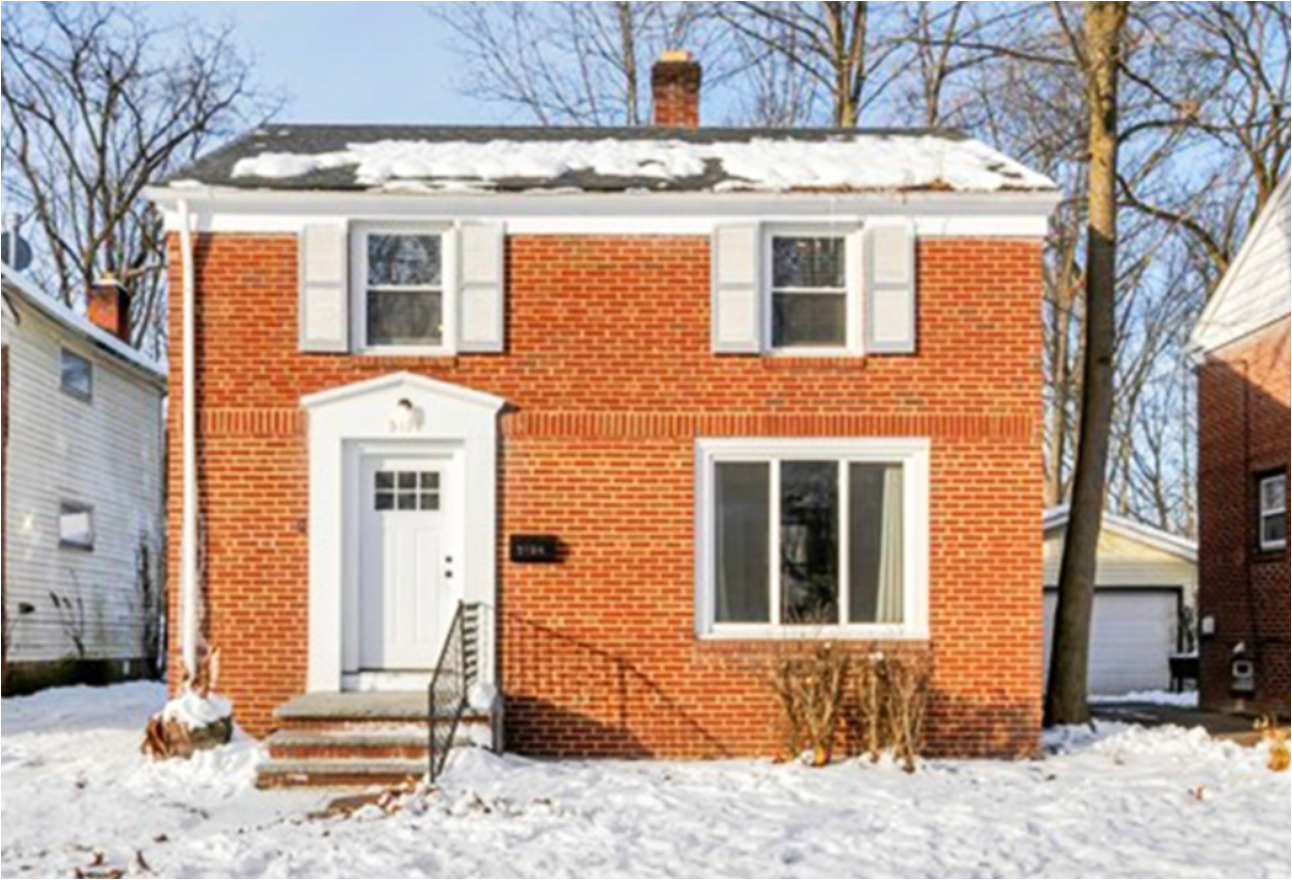
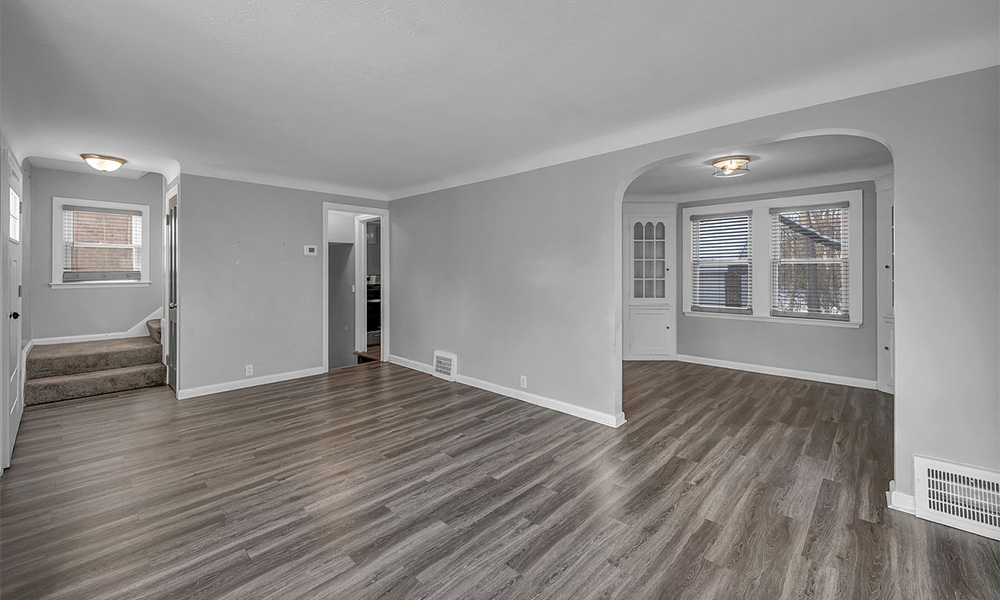
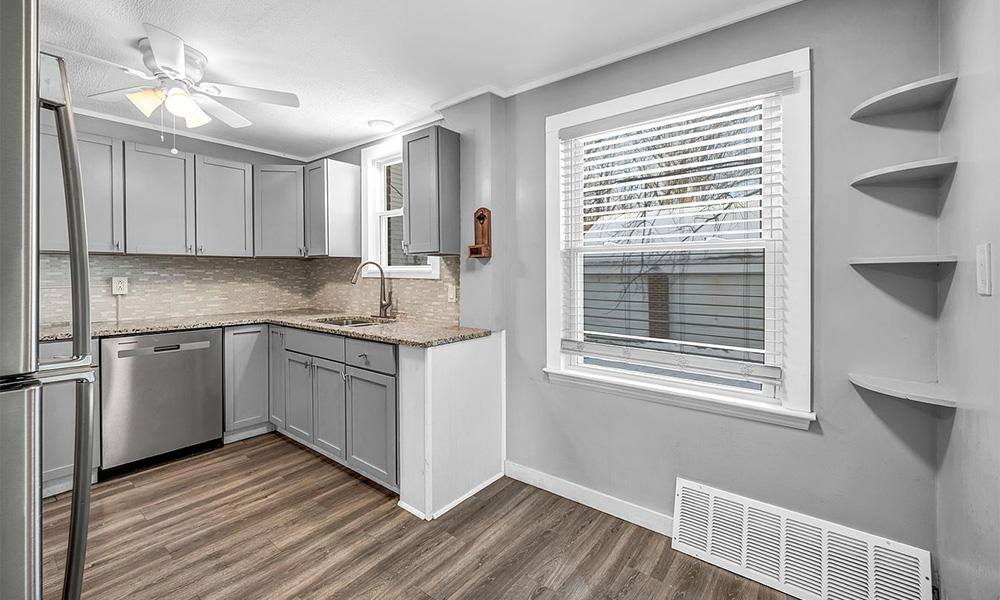
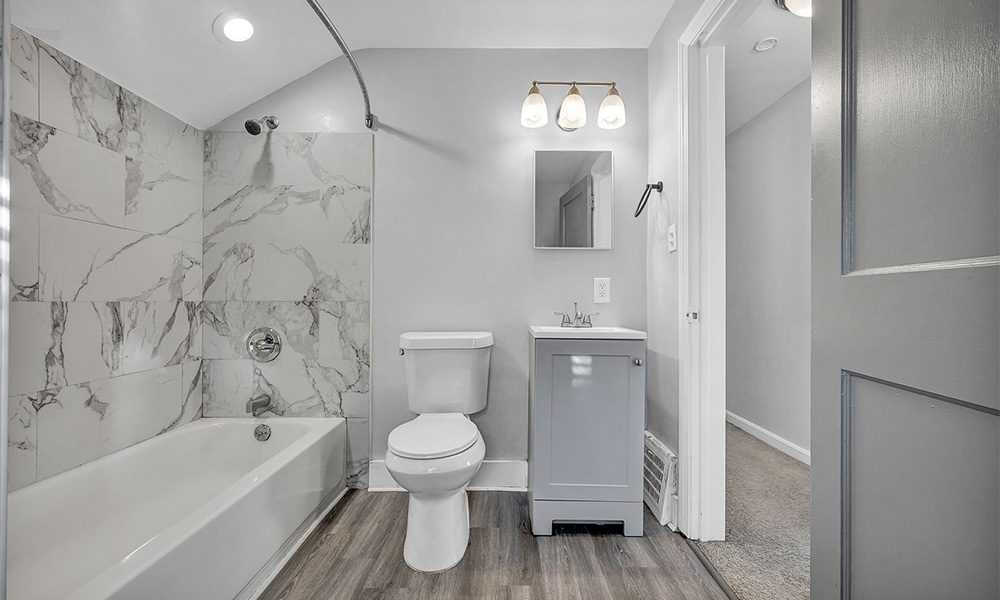
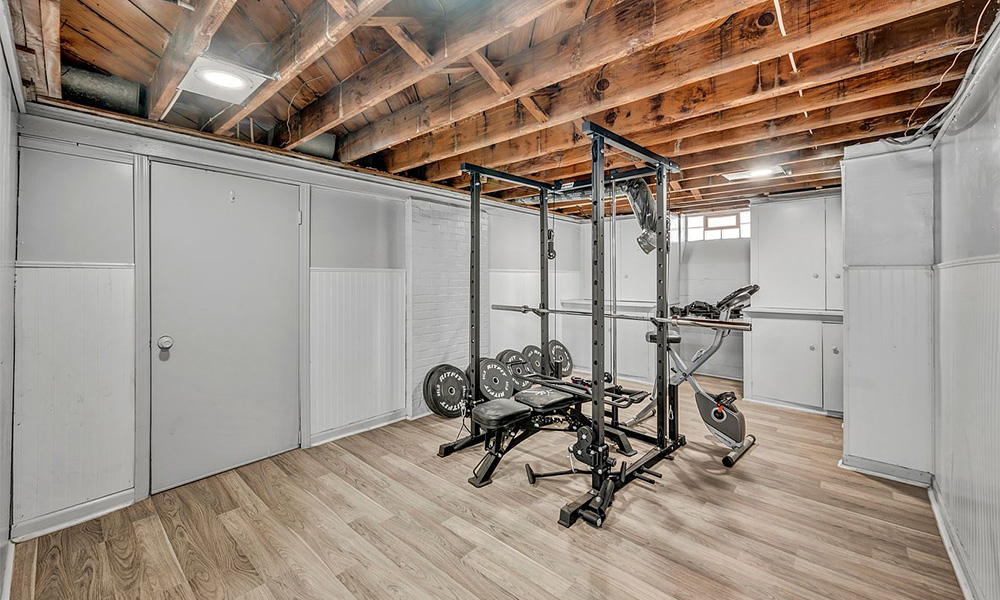
Refurbished single-family home · rental + refurbishment strategy · 4-year hold
*Forecasts are estimates and are not a reliable indicator of performance. Targeted returns are subject to the performance of each individual property. Projections, not guarantees. Capital is at risk.
Fractional investments are held for a fixed term; private resale via the platform may be possible but is not guaranteed. Rental income depends on occupancy and can fall if a property sits vacant, and projected appreciation depends on market conditions at exit. Targeted returns reflect the performance of each individual property, and actual returns for exited properties were 8.42% as of Q1 2026. Direct ownership carries its own risks — surprise capital costs, currency exposure and concentration in a single asset. In every route, capital is at risk.
Click here for detailed information about the risks of real estate investment
Investing carries risks, including loss of capital and illiquidity. Please read our Risk Warning before investing.