Illinois
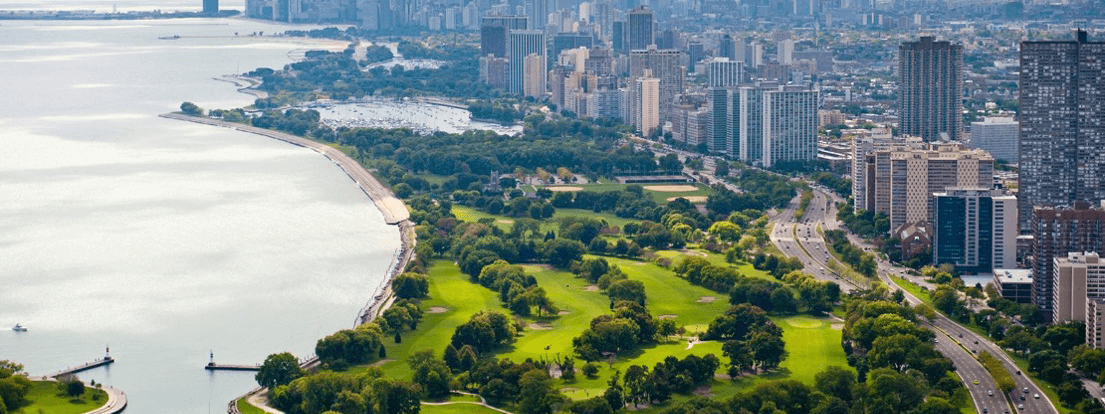
Chicago is the third-largest city in the United States and the economic capital of the Midwest. Located on the southwestern shore of Lake Michigan in the state of Illinois, it serves as a natural crossroads of the continent — a position that has made it one of the world's great commercial, financial, and cultural cities for over 150 years. The city proper is home to approximately 2.7 million residents, while the greater metropolitan area encompasses more than 9 million people across three states, making it the third-largest metro in the country.
Known as the Windy City, Chicago is defined by its lakefront geography, its dense grid of neighbourhoods, and an outsized cultural confidence that distinguishes it from both the East and West Coasts. It is a city of extraordinary contrasts — glass skyscrapers above century-old bungalows, world-class museums alongside neighbourhood blues bars, deep-dish pizza next to Michelin-starred restaurants. What holds it together is a civic identity built on hard work, resilience, and a refusal to be overshadowed. For visitors, residents, and investors alike, Chicago consistently delivers more than its reputation promises.
Chicago's economic foundations are as broad as they are deep. The city is home to 30 Fortune 500 company headquarters — second only to New York City — spanning industries including aerospace, pharmaceuticals, financial services, food and beverage, retail, and technology. The Chicago Mercantile Exchange and the Chicago Board of Trade together form the world's largest derivatives exchange complex, cementing the city's role as a global centre of financial markets. For 13 consecutive years, Site Selection magazine has ranked Chicago as the number one U.S. metro for corporate expansion and relocation, a record unmatched by any other city. Recent technology investments reinforce this trajectory: Microsoft committed $3.3 billion to a new data centre in the metro, Google is redeveloping the Thompson Center in the Loop as a major technology campus, and the city secured the first utility-scale quantum computing facility in the United States through a $1.09 billion investment by PsiQuantum.
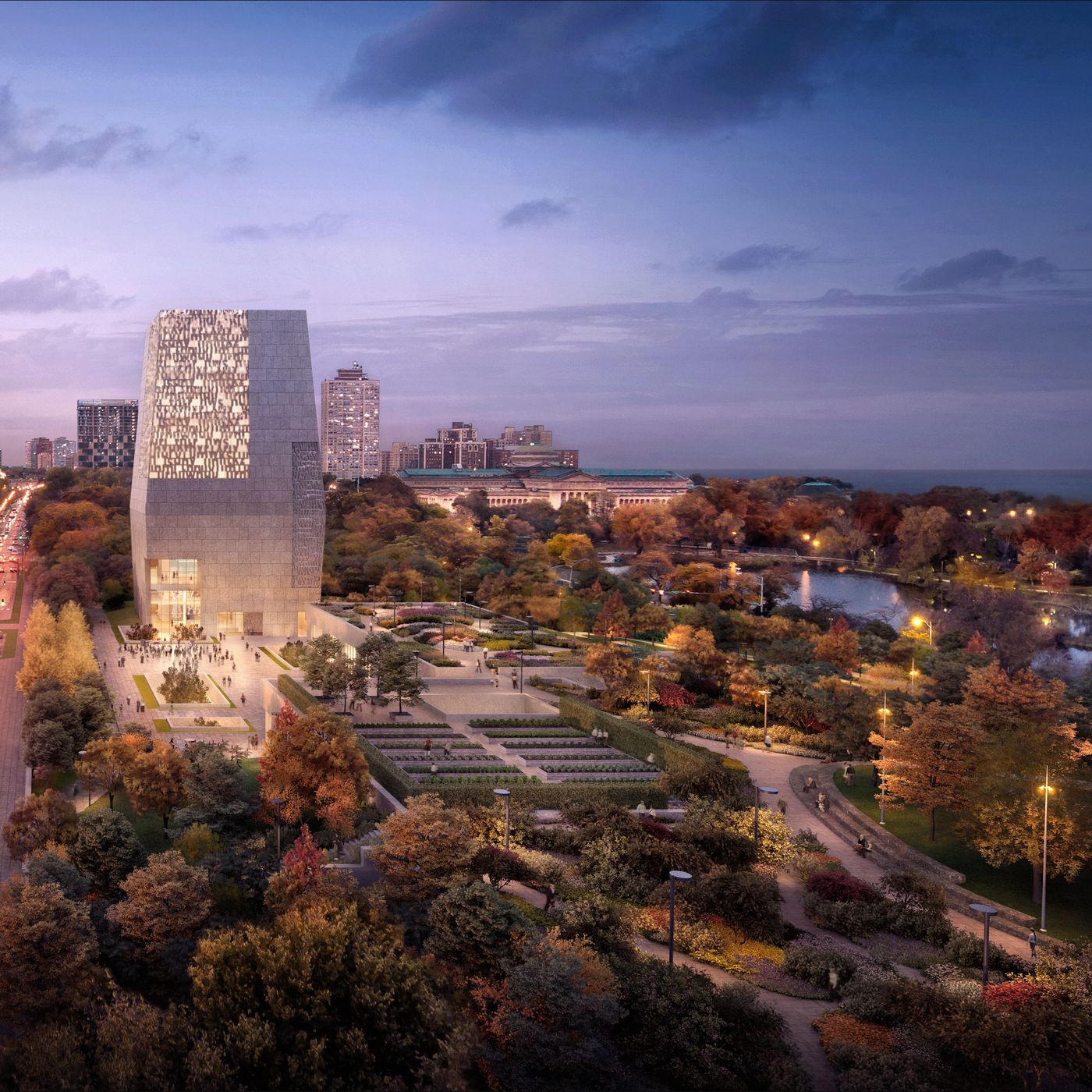
Higher education is a defining pillar of Chicago's identity and economy. The University of Chicago — home to the Booth School of Business, the second-oldest business school in the country and associated with 10 Nobel laureates in Economics — anchors the Hyde Park neighbourhood on the South Side. Northwestern University, DePaul, Loyola, and the Illinois Institute of Technology collectively enrol over 100,000 students annually across the metro area, generating sustained demand for housing and driving the concentration of young professional talent that defines Chicago's renter base.
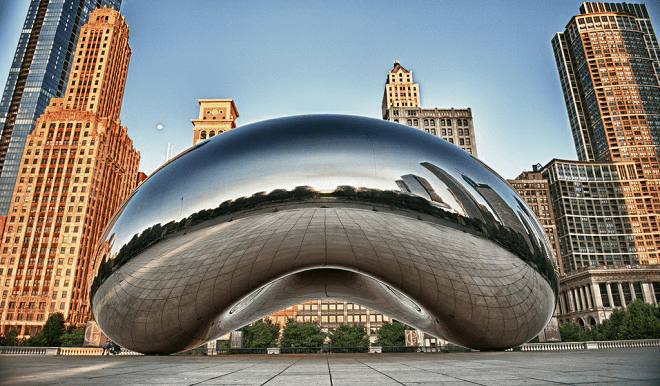
The city's cultural infrastructure is matched by few cities in the world. The Art Institute of Chicago is one of the great encyclopedic museums of the Western hemisphere. Millennium Park draws approximately 25 million visitors each year. The city's music legacy — spanning blues, jazz, gospel, house, and soul — has shaped global popular culture in ways disproportionate to any single city. Chicago's dining scene holds more Michelin stars than Paris on a per-capita basis in several recent years, and the city's festival calendar, anchored by Lollapalooza and the Chicago Jazz Festival, draws visitors from around the world. Condé Nast Traveler's readers have voted Chicago the best large city in the United States for nine consecutive years, from 2017 through 2025.
Connectivity underpins all of this. O'Hare International Airport reclaimed the title of busiest airport in the United States in 2025 by total aircraft operations, with 857,392 takeoffs and landings — a figure that reflects not just the city's domestic centrality but its importance as a gateway for international business and travel. Chicago's rail infrastructure is equally significant: it is the largest rail hub in North America by freight volume, a legacy of its 19th-century founding as the terminus of the transcontinental network. Within the city, the CTA's elevated train system — the L — connects 77 distinct neighbourhoods to the downtown Loop, supporting the geographic spread of employment demand that makes Chicago's rental market structurally resilient.
 Chicago is home to storied sports franchises including the Bears, the Cubs, the White Sox, the Bulls, and the Blackhawks, each with large, multigenerational fan bases that contribute to the city's year-round civic energy. The city has also produced some of the most recognisable cultural figures of the 20th and 21st centuries, from Michelle Obama and Kanye West to Oprah Winfrey and Ernest Hemingway. That combination of institutional gravity and lived cultural vitality is what distinguishes Chicago from other large American cities — and what keeps drawing talent, capital, and residents to it.
No city in the world has a more storied or influential relationship with architecture than Chicago. The city is, in many respects, the birthplace of modern architecture. After the Great Chicago Fire of 1871 destroyed much of the city centre, a generation of architects seized on the blank canvas to develop entirely new structural forms. William Le Baron Jenney's Home Insurance Building of 1885 is widely credited as the world's first skyscraper, introducing the steel-frame construction method that would define city-building for the next century. Louis Sullivan, working in Chicago in the 1880s and 1890s, formulated the guiding principle of the era — form follows function — that shaped the development of modernist design worldwide. His student Frank Lloyd Wright went on to develop the Prairie Style from his studio in the nearby suburb of Oak Park, producing some of the most recognisable residential architecture in American history.
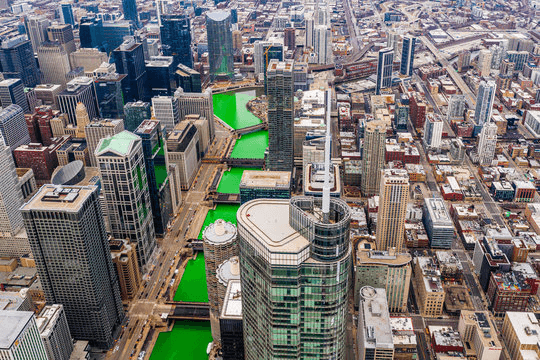
The Chicago School gave way to the mid-century International Style, exemplified by Mies van der Rohe's work on the Illinois Institute of Technology campus and his iconic residential towers at 860–880 Lake Shore Drive. The Willis Tower — for many years the tallest building in the world — and the distinctive Marina City corn-cob towers remain global icons of 20th-century urban design. Today, the architecture of the Chicago riverwalk, the continued evolution of the Fulton Market district, and the ambitious plans for The 78 megadevelopment ensure that Chicago's built environment remains one of constant creative reinvention.
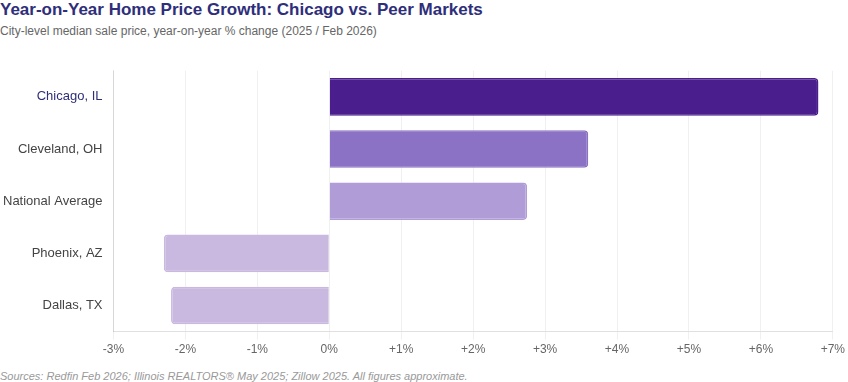
Chicago's residential real estate market has entered a period of sustained outperformance relative to national benchmarks and many of its most commonly cited peer markets. The city median home sale price reached $390,000 in February 2026, representing year-on-year growth of 6.8% — more than double the national average of approximately 2.75%, and stronger than Miami, Dallas, and Phoenix, all of which recorded year-on-year price declines in 2025. The broader Chicago metro area median reached $379,900 in May 2025, up 5.5% from the prior year. Single-family home prices across the city grew approximately 13% over the full year of 2025, reflecting the acute scarcity of well-maintained housing stock in established neighbourhoods. Illinois REALTORS® projects a further 5% increase in the metro median for 2026.
The rental market is equally compelling. Average rents across the city stood at $2,455 per month as of March 2026, growing 4.98% year-on-year — well above the U.S. national average rent growth of 3.4%. This acceleration follows a structural shift that began in late 2022: for the first time in over a decade, Chicago has consistently outpaced the national average in rent growth. Fifty-four percent of Chicago's housing units are renter-occupied — a structural renter majority that provides durable, consistent demand regardless of interest rate cycles or buyer market conditions.
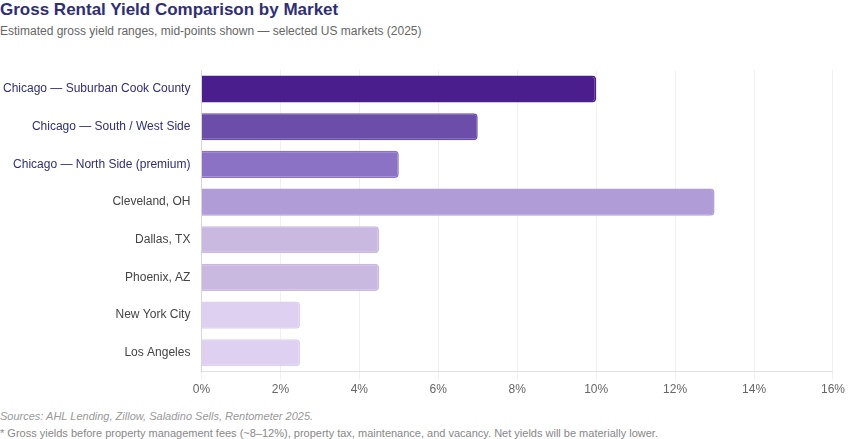
Gross rental yields vary meaningfully across the metro. Premium North Side neighbourhoods such as Lincoln Park and Wicker Park offer yields of 4–6%, reflecting entry prices that have fully priced in appreciation expectations. The greater opportunity for income-focused investors lies in the emerging South Side and West Side submarkets and inner-ring suburban Cook County, where gross yields of 6–8% are achievable in established submarkets and 8–12% or above in higher-yield locations such as Calumet City and Chicago Heights at entry prices typically ranging from $150,000 to $350,000. These yield levels substantially exceed comparable figures in coastal gateway markets.
Vacancy across the Chicago multifamily market stands at approximately 4.8% — below the national average — and is supported by a supply pipeline that has contracted sharply. New construction starts fell to 3,625 units in 2024, 35% below the prior year and well below the historical average of approximately 8,600 units annually. Apartment deliveries in the first half of 2025 fell 61% year-on-year. This structural undersupply, combined with the high cost and regulatory complexity of new development in Chicago, creates persistent upward pressure on both occupancy and rents that is unlikely to resolve quickly.
For international investors, Chicago real estate offers USD-denominated returns from a market of genuine global-city scale — with the price-to-rent ratios, yield profile, and capital entry points that coastal gateway markets cannot match. The resale market is deep and active, with homes averaging 31 to 69 days on market depending on submarket, and a buyer pool broad enough to support exits without excessive illiquidity risk at typical investment hold periods.
Investing carries risks, including loss of capital and illiquidity. Please read our Risk Warning before investing.